What Is Automated Invoicing?
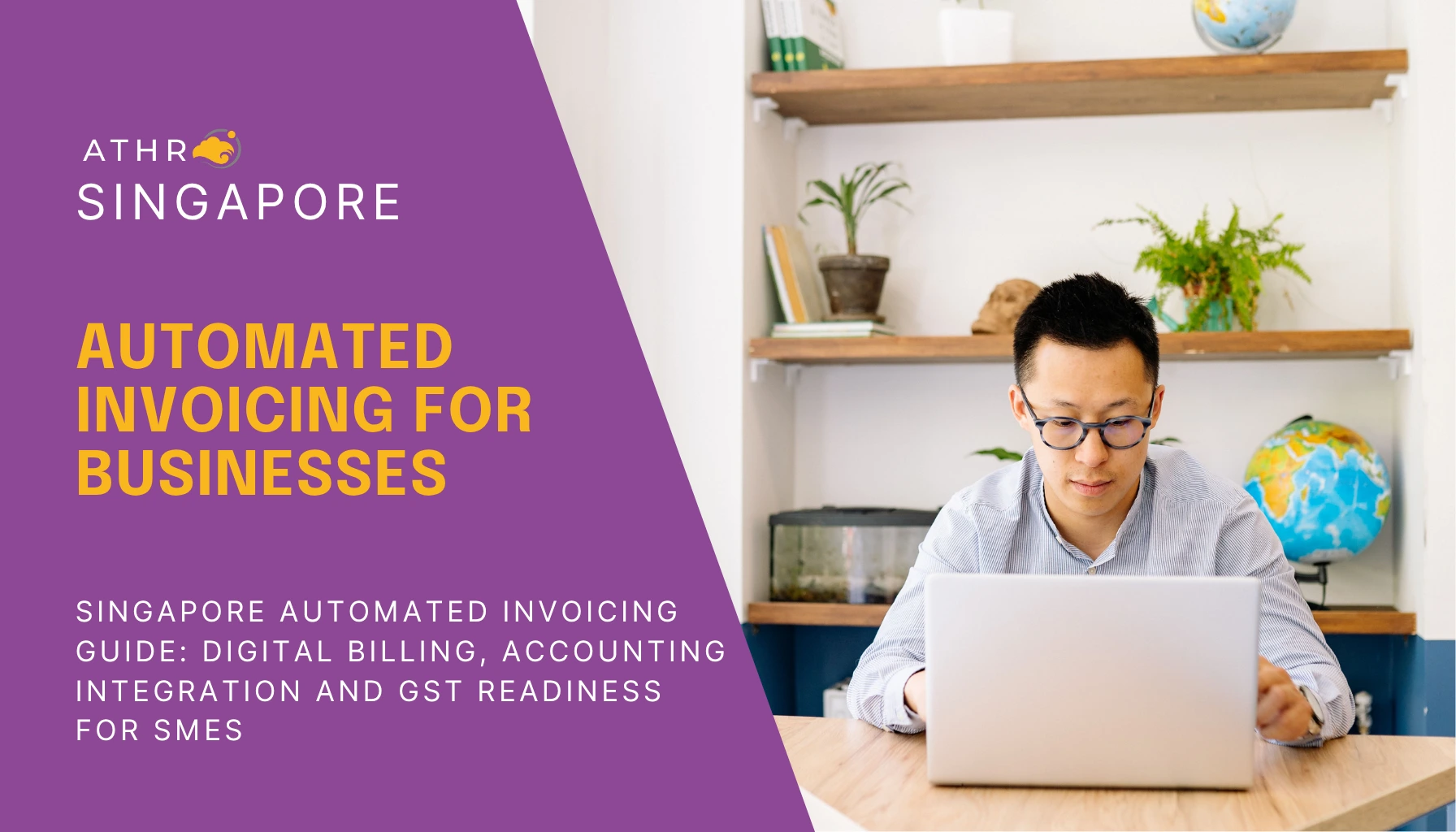
Automated invoicing is the use of software to create, send, track, and manage invoices with minimal manual work. Instead of preparing invoices using Word, Excel, or PDF templates, businesses can generate invoices from saved customer details, standard pricing, recurring billing rules, project milestones, or payment schedules.
A simple automated invoicing setup may include invoice templates, recurring invoices, due date reminders, payment links, and real-time invoice status tracking. A more advanced setup may also include approval workflows, accounting software integration, GST logic, payment gateway integration, and automatic reconciliation.
For founders, the real benefit is not just speed. It is consistency. Every invoice follows the same format, includes the right details, uses the correct payment terms, and is stored properly for future reference.
Why Manual Invoicing Slows Down Payments
Manual invoicing creates small delays that compound over time. A founder may finish the work today but only send the invoice tomorrow. A staff member may use an old template with outdated payment terms. A client may receive the invoice but forget to pay because there is no automatic reminder. A payment may arrive in the bank but remain unreconciled because nobody matched it to the invoice.
These issues may look minor at the transaction level, but they create bigger operational problems. Late invoicing delays cash collection. Inaccurate invoices create disputes. Missing documents make bookkeeping messy. Poor tracking makes it harder to know which clients owe money.
For GST-registered businesses, invoice accuracy is even more important. Singapore’s GST rate is 9%, and only GST-registered businesses can charge GST. IRAS also explains that output tax is GST collected from customers, while input tax is GST incurred on business purchases that may be claimable if conditions are met. Businesses that need a broader overview of GST obligations can refer to this Singapore GST filing guide.
How Automated Invoicing Helps Businesses Get Paid Faster
1. Faster Quotations and Invoice Creation
Many payments are delayed before the invoice even exists. A client asks for a quotation, the founder prepares it later, the client approves it later, and only then does billing begin.
With automated invoicing, a business can prepare a quotation quickly, convert it into an invoice once approved, and send it immediately. This is especially useful for consultants, agencies, corporate service providers, designers, contractors, and professional service firms where deals often move through quotation, approval, deposit, and final billing stages.
A clean quotation-to-invoice process also improves the client experience. The client sees a professional document, clear pricing, proper company details, and structured payment terms from the start.
2. Recurring Invoices for Repeat Clients
If your business works on retainers, subscriptions, monthly packages, or recurring service arrangements, manually creating the same invoice every billing cycle wastes time and increases the chance of mistakes.
Automated recurring invoices solve this by creating and sending invoices on a fixed schedule. This is useful for monthly accounting retainers, HR services, SaaS subscriptions, maintenance contracts, rental arrangements, and long-term consulting engagements.
Recurring invoices also make revenue more predictable. Instead of relying on someone to remember each billing cycle, the system handles it consistently.
3. Automatic Payment Reminders
Payment follow-up is one of the most uncomfortable parts of running a business. Founders often delay chasing clients because they do not want to damage the relationship.
Automated reminders make the process more neutral. The system can send reminders before the due date, on the due date, and after the invoice becomes overdue. This keeps payment visible without requiring the founder to personally follow up every time.
The key is to keep reminder wording professional. A good reminder should be clear, polite, and action-oriented. It should include the invoice number, amount due, due date, payment link, and contact details for questions.
4. Online Payment Options
The easier it is for clients to pay, the faster many payments happen. If a client has to log into a bank portal, create a new payee, manually enter invoice details, and inform your team afterward, there are more chances for delay.
Automated invoicing tools can include payment links for credit cards, debit cards, digital wallets, or bank transfer options. For businesses that work with overseas clients, payment gateway integration can reduce friction further.
This does not mean every business should accept every payment method. Fees, settlement timelines, client location, and accounting treatment still matter. But from a cash flow perspective, giving clients a direct payment path can reduce unnecessary waiting.
5. Automatic Reconciliation and Cleaner Books
Getting paid is only half the process. The payment still needs to be matched to the correct invoice and recorded properly.
When invoicing software is integrated with accounting systems or payment gateways, successful payments can be automatically matched against invoices. This updates invoice status from outstanding to paid and reduces manual reconciliation work.
Cleaner reconciliation helps founders understand cash flow more clearly. Instead of relying on guesswork, they can see which invoices are paid, overdue, partially paid, or still pending. For businesses that are already struggling with bookkeeping accuracy, outsourcing finance tasks can also help strengthen internal controls. You can explore more in ATHR’s guide on the benefits of outsourcing accounting tasks in Singapore.
Automated Invoicing and Singapore Compliance
In Singapore, invoicing is not only an operational matter. It also affects GST reporting, record keeping, and audit readiness.
According to IRAS guidance on invoicing customers, tax invoices, receipts, credit notes, and customer accounting tax invoices are important business transaction records. IRAS also states that GST-registered businesses must issue tax invoices to GST-registered customers for standard-rated supplies, as these invoices support input tax claims.
Businesses should also pay attention to Singapore’s move toward e-invoicing. InvoiceNow is Singapore’s nationwide e-invoicing network. IMDA explains that InvoiceNow operates on the open standard Peppol framework and allows e-invoices to be transmitted in a standard digital format across finance systems.
This is especially relevant for GST-registered and soon-to-register businesses. IRAS has stated that all GST-registered businesses are strongly encouraged to onboard early to ensure they can transmit invoice data through InvoiceNow-ready solutions. From 1 April 2026, all new voluntary GST registrants are required to submit invoice data directly to IRAS via the InvoiceNow network. Businesses can read more about this in ATHR’s GST InvoiceNow Singapore compliance guide.
This means automated invoicing should not be chosen based on convenience alone. Businesses should consider whether their invoicing process can support proper GST treatment, valid invoice details, digital records, approval trails, and future InvoiceNow readiness.
How to Automate Your Invoicing Process
A practical invoicing automation setup should start with your current workflow, not the software. First, review how invoices are currently created, approved, sent, paid, and recorded. Identify where delays usually happen. Is the problem late invoice creation, unclear payment terms, missing client information, manual reminders, or poor reconciliation?
Next, standardize your invoice templates. Your invoices should include company details, invoice number, issue date, customer details, description of goods or services, payment terms, GST treatment where applicable, total amount payable, and payment instructions. For businesses with overseas customers, the GST treatment may require additional review, especially where zero-rating is involved. ATHR has covered this in detail in its guide to GST zero-rating in Singapore.
After that, set up customer records, payment terms, recurring billing rules, and automated reminder schedules. For businesses with repeat clients, create rules for monthly, quarterly, or milestone-based invoicing.
Finally, integrate invoicing with bookkeeping or accounting support. Automation works best when invoices, payments, and accounting records connect properly. Without that connection, businesses may still end up exporting spreadsheets, checking bank statements manually, and correcting records later.
What Features Should Singapore SMEs Look For?
The right invoicing tool should make payment faster without weakening control. Look for customizable invoice templates, recurring invoice functions, automated reminders, online payment options, invoice status tracking, GST settings, credit note support, customer directories, and accounting integration.
For growing businesses, approval workflows are also useful. They allow invoices to be reviewed before sending, especially where pricing, discounts, tax treatment, or project scope needs checking.
Reporting matters too. A dashboard showing outstanding invoices, overdue balances, average payment time, and monthly billed revenue can help founders make better decisions. It also allows finance teams to address late payments before they become cash flow problems.
When Automation Alone Is Not Enough
Automated invoicing improves speed, but it does not replace financial judgement. Businesses still need to classify revenue correctly, apply GST properly, maintain supporting documents, review unpaid balances, and ensure the accounting records reflect actual business activity.
For example, a system may generate an invoice quickly, but it will not always know whether a transaction should be standard-rated, zero-rated, exempt, or out-of-scope without proper setup and review. It may send reminders automatically, but it will not decide whether a long-overdue invoice requires a credit note, write-off assessment, or management follow-up.
That is why automated invoicing should be part of a broader finance process. Software handles repetition. A proper accounting partner helps ensure the records make sense.
Make Invoicing Faster, Cleaner, and More Compliant with ATHR
Automated invoicing can help founders get paid faster, but the real value comes when invoicing, bookkeeping, GST, and reporting work together. A fast invoice is useful. A fast invoice that is also accurate, properly recorded, and ready for tax review is far more valuable.
ATHR Corporate Services helps Singapore businesses manage accounting, tax, GST, payroll, and compliance with a practical, digital-first approach. ATHR’s Accounting & Tax Services support businesses with flexible accounting packages and tax solutions, while its tax plans cover areas such as corporate tax filing and GST submissions.
Whether you are setting up your finance process from scratch or improving an existing workflow, ATHR can support you with cleaner records, timely reporting, and stronger compliance control.
👉 Ready to build a finance process that helps your business move faster without losing accuracy? Book a free consultation with ATHR today →